


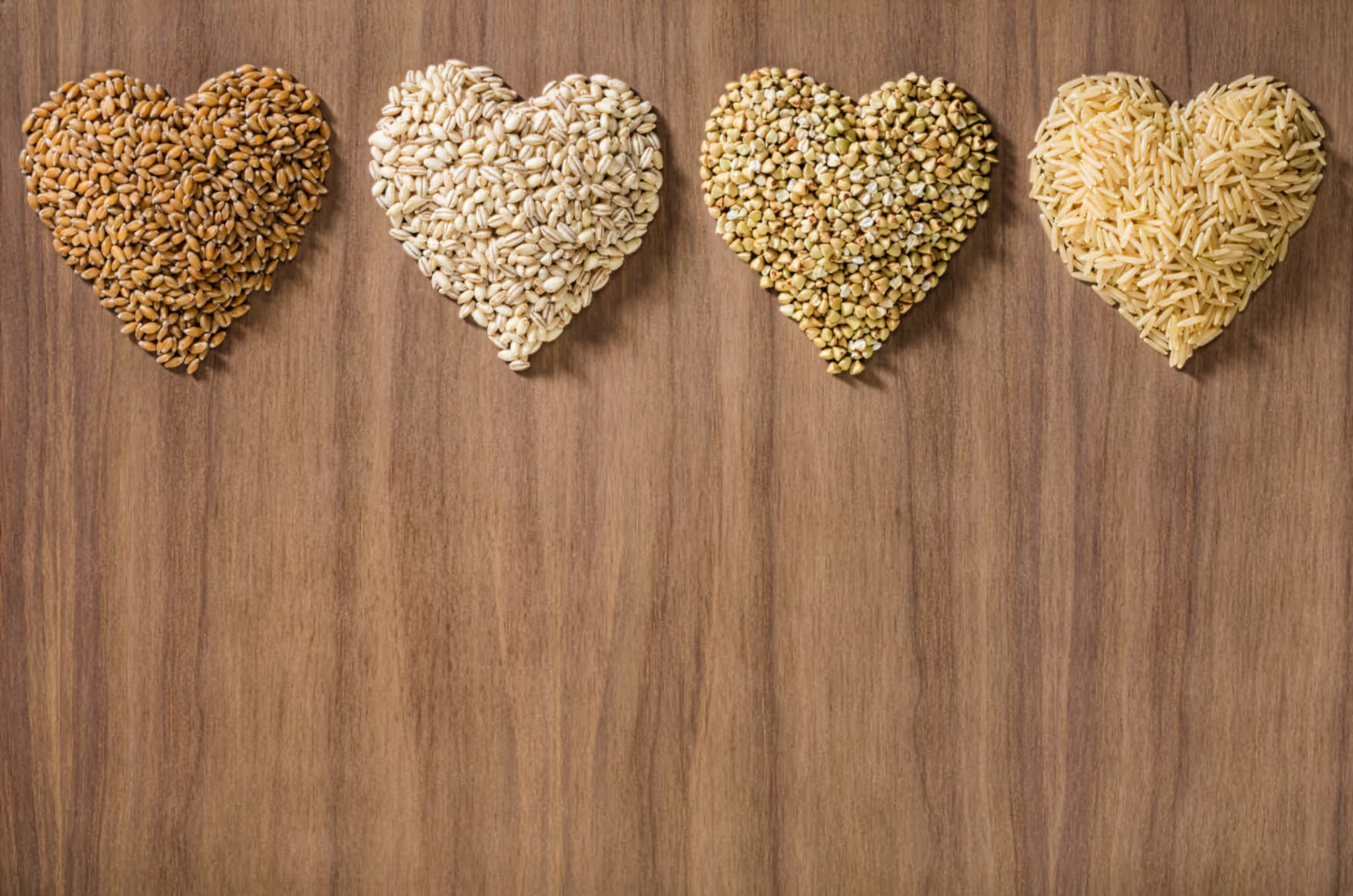
Grains are part of many meals each day- breakfast cereal, bread, rice, pasta, and tortillas. They help give our bodies energy. But not all grains are the same. Choosing whole grains more often can help support digestion, heart health, and steady energy for moms, babies, and growing children.
Many families eat plenty of grains, but most are not getting enough whole grains. The good news is that small, simple changes can make a big difference.
What Is a Whole Grain?
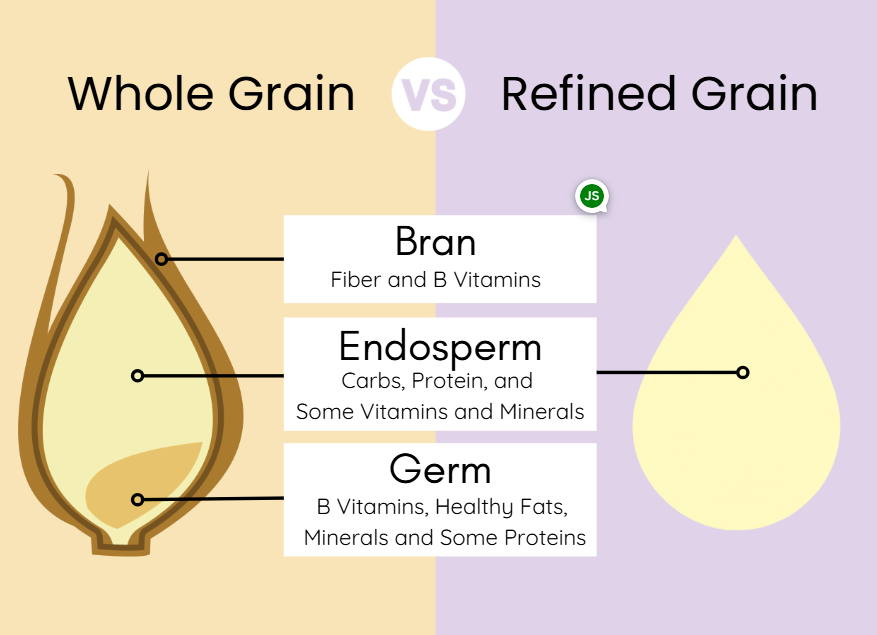
Think of a grain as a small package of nutrition with three parts that work together:
- Bran – the outer layer
Provides fiber and B vitamins that help support digestion - Germ – the inner part
Contains healthy fats, vitamins, and minerals that support growth and health - Endosperm – the center
Supplies energy from carbohydrates
A whole grain keeps all three parts.
When grains are refined, the bran and germ are removed. This takes away much of the fiber and many nutrients, even when some vitamins are added back later.
Why Whole Grains Matter
Whole grains help the body in many ways. They can:
- Reduce the risk for heart disease, stroke, and type 2 diabetes
- Lower cholesterol levels
- Help prevent sharp blood sugar changes
- Help you feel full longer
- Help keep digestion regular by preventing constipation
- Provide fiber, which many women and children do not get enough of
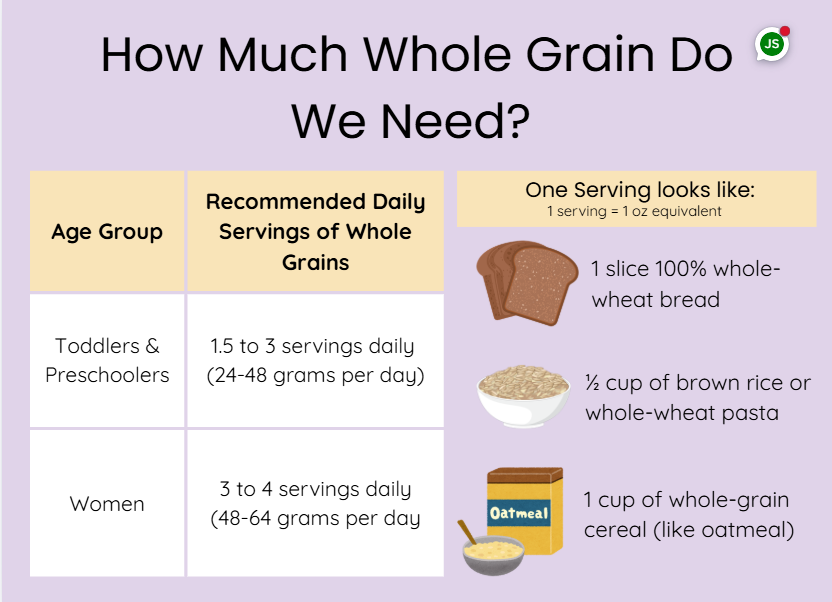
How Much Whole Grain Do We Need?
- Toddlers and preschoolers: about 1½ - 3 servings of whole grains each day
- Women: 3 – 4 servings of whole grains each day
One serving can look like:
- 1 slice of 100% whole-wheat bread
- ½ cup cooked brown rice or whole-wheat pasta
- 1 cup whole-grain cereal
You do not need to change everything at once. Even one whole-grain choice a day is a great start.
How to Tell If a Food Is Whole Grain
Color alone does not tell the whole story. Some breads look brown but are not whole grain.
Instead, look for:
- “100% whole wheat” or “100% whole grain” on the package
- Whole grain listed as the first ingredient (or second after water)
- Fiber amounts:
- Breads with 3 or more grams of fiber per serving
- Cereals with 5 or more grams of fiber per serving
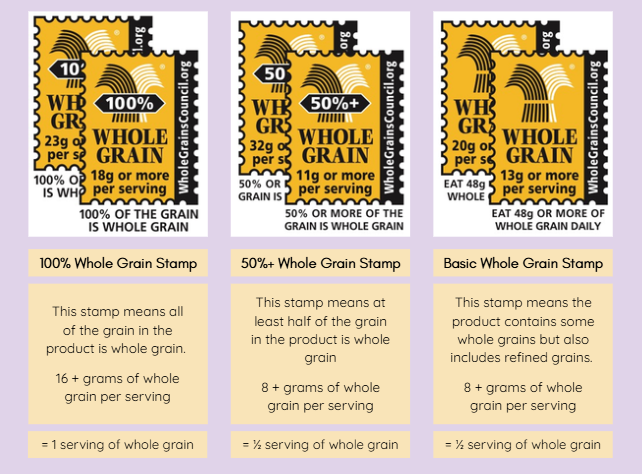
You may also see a Whole Grain Stamp, which shows how much whole grain is in one serving.
Whole Grains and WIC
WIC offers many whole-grain options that fit into everyday meals, including:
- Whole-wheat bread and pasta
- Brown rice
- Oatmeal and oats
- Corn tortillas made with whole corn
- Whole-grain cereals and infant cereals
Some WIC-approved foods are not whole grain. Reading labels can help you choose options with more fiber and nutrients.
Check out the Georgia WIC Approved Food Lists: WIC Approved Foods List | Georgia Department of Public Health
What About Gluten?
Gluten is a protein found in wheat, rye, and barley. Some families need to avoid gluten. There are still many whole-grain choices that do not contain gluten, such as:
- Brown rice
- Corn
- Quinoa
- Buckwheat
- Millet
- Oats (look for oats labeled gluten-free)
Whole grains can fit many different eating needs.
Learn more about gluten-free foods here: Gluten-Free Foods | Celiac Disease Foundation
Whole Grains for Babies and Young Children
Around 6 months, babies can begin trying infant cereal mixed with breast milk or formula. Start with single-grain cereal, and wait a few days before trying a new type.
See: Starting Solids: A Parent’s Guide to Confident, Safe Feeding | District 2 Public Health WIC
As children grow, whole grains can be part of meals and snacks throughout the day- such as whole-grain cereal, whole-wheat bread, or brown rice. These foods help provide energy and fiber to support healthy growth.
Learn more about serving sizes for whole grains (based on age) here: MyPlate.gov | Grains Group – One of the Five Food Groups
See also: Starting Solids: A Parent’s Guide to Confident, Safe Feeding | District 2 Public Health WIC
Easy Ways to Add Whole Grains
You do not need special foods or recipes. Try simple swaps like:
- Oatmeal or whole-grain cereal at breakfast
- Whole-wheat bread for sandwiches
- Brown rice or whole-wheat pasta at dinner
- Whole-grain toast with peanut butter for snacks
Small changes add up over time.
For whole grain recipe ideas, check out: Delicious Recipes with WIC-Approved Ingredients | District 2 Public Health WIC and Recipes | The Whole Grains Council
The Takeaway
Whole grains keep more of their natural goodness inside. Choosing them more often can help support digestion, steady energy, and overall health—for moms, babies, and the whole family.
If you have questions about choosing whole grains with your WIC benefits, the District 2 WIC team is always here to help.
To reach us:
Call our Call Center: 678-696-2261
Send us a message and we will contact you: https://wic.phdistrict2.org/contact
References:
Types of Grains - Grains & Legumes Nutrition Council
What is a Grain Food? - Grain Foods Foundation
Barley, Farro, Sorghum and More: 9 Whole Grains to Try | Johns Hopkins Medicine
Whole Grains • The Nutrition Source
What Counts as a Serving? | The Whole Grains Council
Whole Grain vs. Whole Wheat: What’s the Difference?